Recognizing When Your Air Conditioner Needs Professional Attention
San Diego's warm climate means your air conditioning system works hard throughout much of the year. While the city enjoys mild temperatures compared to inland areas, summer heat waves and increasingly warm fall months put significant demand on residential cooling systems. Recognizing the early warning signs that your AC needs professional repair can save you from uncomfortable breakdowns and expensive emergency service calls during the hottest days of the year.
Many homeowners wait until their air conditioner completely stops working before calling for service. By that point, what might have been a simple and affordable repair has often escalated into a major system failure requiring extensive work or even complete replacement. Learning to identify these warning signs early protects both your comfort and your wallet. For immediate assistance, visit our AC repair services page.
Unusual Noises Coming from Your AC Unit
A properly functioning air conditioner should operate relatively quietly, producing only a consistent low hum during normal operation. When you start hearing unusual sounds, it typically indicates a mechanical problem that requires professional diagnosis and repair.
Common AC Noises and What They Mean
- Grinding or scraping — Often indicates a problem with the blower motor bearings or a displaced blower wheel that could cause further damage if not addressed
- Squealing or screeching — Usually points to a worn or misaligned belt, or motor bearing issues that need lubrication or replacement
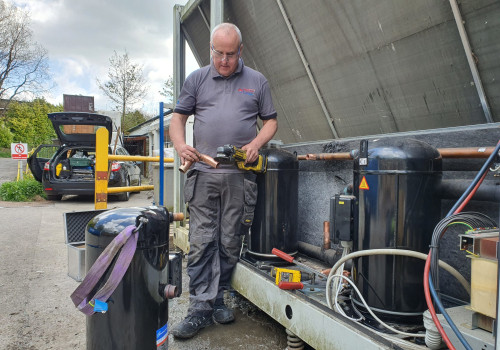
- Banging or clanking — Suggests a loose or broken component inside the compressor, such as a connecting rod, piston pin, or crankshaft
- Clicking sounds at startup — While a single click at startup is normal, repeated clicking may indicate a failing thermostat or electrical control issue
- Buzzing — Can indicate electrical problems, loose parts, debris in the unit, or a failing outdoor fan motor
- Hissing or bubbling — Often signals a refrigerant leak, which requires immediate professional attention
Never ignore persistent unusual noises from your air conditioning system. What starts as a minor issue often leads to compressor failure, which is one of the most expensive AC repairs. Schedule a diagnostic with our AC diagnostics team promptly.
Weak or Reduced Airflow
If you notice that the air coming from your vents feels weaker than usual, several issues could be responsible. Reduced airflow forces your system to run longer to reach the desired temperature, increasing energy consumption and accelerating wear on components.
Common causes of weak airflow include:
- Clogged air filters — The most common and easily preventable cause of reduced airflow, filters should be replaced every 30-90 days
- Blocked or leaking ductwork — Ducts can develop leaks, disconnections, or blockages that significantly reduce air delivery to your rooms
- Failing blower motor — The motor that pushes air through your duct system can weaken over time, reducing airflow throughout your home
- Frozen evaporator coils — Restricted airflow or low refrigerant can cause coils to freeze, further blocking air circulation
- Undersized or aging system — A system that is too small for your home or nearing the end of its lifespan may not deliver adequate airflow
While replacing air filters is a simple DIY task, other airflow issues require professional equipment and expertise to diagnose and repair properly. Learn about maintaining optimal airflow on our air duct cleaning page.
Warm Air Blowing from Vents
When your AC is running but blowing warm or room-temperature air instead of cool air, something is clearly wrong. This is one of the most common complaints San Diego homeowners report, and it can stem from several different issues requiring professional attention.
Potential causes include thermostat malfunctions, refrigerant leaks, compressor problems, or electrical issues preventing the outdoor unit from operating properly. Before calling for service, check that your thermostat is set to cooling mode and the temperature is set below your current room temperature. If settings are correct and the problem persists, professional service is needed.
Refrigerant leaks deserve special attention because they not only reduce cooling performance but also pose environmental concerns. Modern AC systems use specific refrigerant types that must be handled by certified technicians in compliance with EPA regulations. Our refrigerant recharge services address these issues safely and effectively.
Frequent Cycling and High Energy Bills
Short Cycling Problems
Short cycling occurs when your air conditioner turns on and off more frequently than normal, running in brief cycles rather than sustained cooling periods. This behavior puts tremendous stress on the compressor and other components, dramatically shortening the system's lifespan while failing to effectively cool your home.
Common causes of short cycling include oversized AC units, refrigerant issues, dirty condenser coils, and electrical problems. An oversized unit cools spaces too quickly, reaching the thermostat set point before properly dehumidifying, then shutting off only to restart minutes later.
Unexplained Increases in Energy Bills
If your electricity bills have increased significantly without a corresponding change in usage patterns, your AC system may be working harder than it should due to developing problems. Declining efficiency is often the first sign of issues that will eventually lead to breakdowns. Comparing your bills year over year can reveal gradual efficiency losses that indicate maintenance needs. Visit our energy efficient AC page for tips on maximizing your system's efficiency.
Moisture and Leaking Issues
While some condensation near your AC unit is normal, excessive moisture, pooling water, or leaks inside your home warrant professional inspection. Water leaks can result from a clogged condensate drain line, a cracked or overflowing drain pan, or frozen evaporator coils that produce excess water when thawing.
Refrigerant leaks are more serious and may present as an oily residue near refrigerant lines. These leaks reduce system performance, increase energy consumption, and can eventually cause compressor failure if not addressed. Any suspected refrigerant leak should be evaluated by a certified HVAC technician immediately.
Unpleasant Odors from Your AC System
Strange smells emanating from your air conditioning system can indicate several problems:
- Musty or moldy odors — Indicate mold or mildew growth within your ductwork or on the evaporator coils, which can affect indoor air quality
- Burning smells — May signal overheating electrical components, worn insulation on wiring, or a failing motor
- Rotten egg smell — Could indicate a natural gas leak near your HVAC system, which requires immediate evacuation and emergency service
- Chemical or sweet odors — May indicate a refrigerant leak, which poses health risks in enclosed spaces
Indoor air quality directly impacts the health of everyone in your household. If your AC is circulating contaminated air, professional cleaning and repair should be a priority. Check our indoor air quality services for solutions.
When to Repair vs Replace Your AC System
As a general rule, if your air conditioner is less than 10 years old and the repair cost is less than half the price of a new system, repair is usually the better financial decision. However, if your system is older than 15 years, uses outdated refrigerants, or requires frequent repairs, replacement with a modern high-efficiency unit often makes more sense long term.
San Diego homeowners benefit from consulting with experienced HVAC professionals who can provide honest assessments of their system's condition and remaining lifespan. Our team provides transparent evaluations and helps you make the decision that best fits your budget and comfort needs. Schedule your assessment through our contact page or explore our AC installation options for new system information.